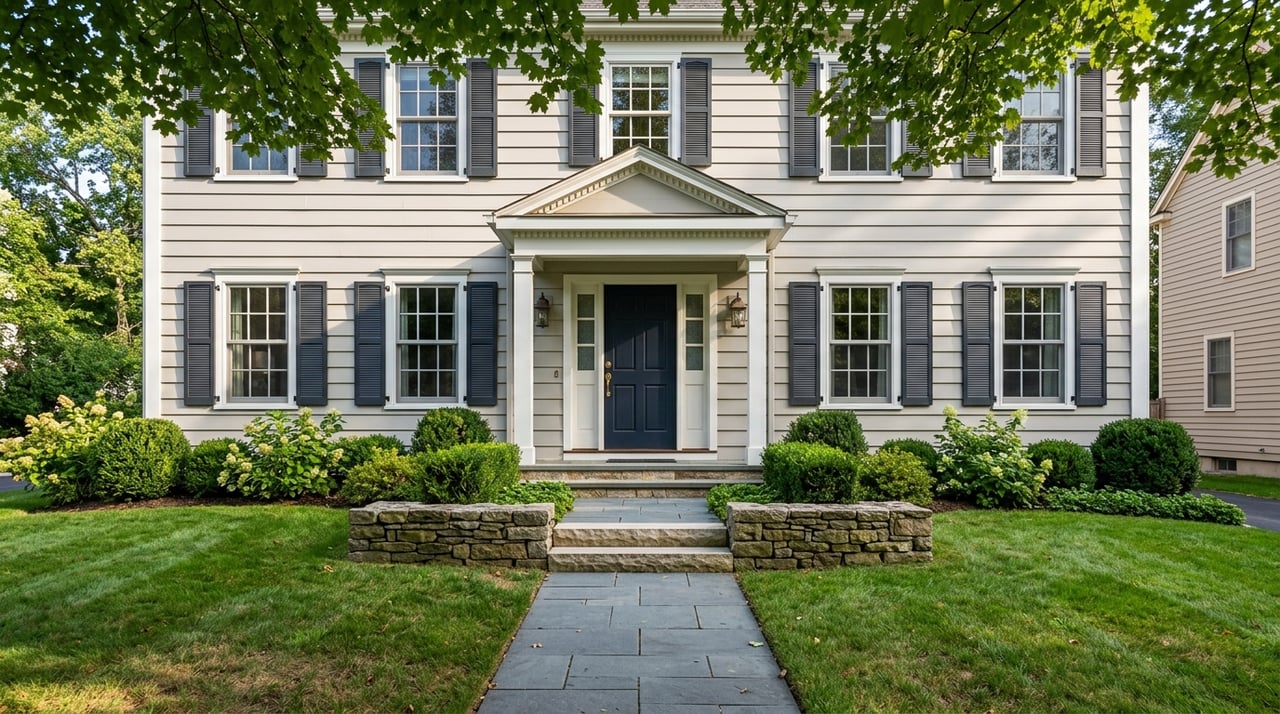
Thinking about selling in Maplewood or South Orange? The timing of your listing can shape how many buyers see your home, how quickly it moves, and how strong your offers look. If your likely buyer pool includes people leaving New York City for a Midtown Direct suburb, it helps to understand when that audience is most active. Here’s how to plan your sale around NYC-area demand, local market conditions, and the prep work that helps your home stand out. Let’s dive in.
Why NYC buyer timing matters here
Maplewood and South Orange are not random suburban markets. They are part of the broader commuter-town conversation for buyers who want access to New York City along with more space and a different pace of life.
That is why the New York metro spring market is a useful guide for sellers here. According to Zillow’s seasonal listing analysis, the New York, NY metro tends to peak in the first half of May, with sellers seeing about a 1.4% premium, or roughly $9,600 on a typical home. Zillow also notes that spring is the classic shopping season as buyers re-enter the market after winter and aim to settle before fall.
StreetEasy’s NYC buyer seasonality data adds more context. It reports that buyers see the most listings in May, June tends to be strongest for open-house traffic, and price reductions are most common in May and October. For Maplewood and South Orange sellers, that suggests a clear takeaway: if you want to catch serious city-facing demand, spring is usually your best window.
What local numbers suggest now
Local market data supports the idea that both towns can reward well-timed, well-prepared listings. These are active markets, but they still respond to smart pricing and polished presentation.
As of February 28, 2026, Zillow home value data placed Maplewood at $921,059, up 6.2% year over year, and South Orange at $1,037,736, up 7.5% year over year. New Jersey Treasury’s 2025 residential sales statistics show average sale prices of $908,544.95 in Maplewood across 219 sales and $990,016.57 in South Orange across 153 sales.
Recent market pace also matters. Redfin’s February 2026 market data for Maplewood shows a median sale price of $781,000, 28 median days on market, and a 108.5% sale-to-list ratio. The same source reports South Orange at $995,000, 23 median days on market, and a 111.1% sale-to-list ratio.
Those numbers point to strong demand, but not a market where sellers should skip the basics. If you want the best outcome, timing, pricing, and preparation still need to work together.
Transit is a key selling point
For many buyers coming from New York City, commute convenience is not just a bonus. It is part of the reason they are looking at Maplewood or South Orange in the first place.
Maplewood station sits on NJ Transit’s Morris & Essex Line, and the township runs weekday commuter jitneys to and from Maplewood station. South Orange also sits on the Morris & Essex Line, and the village describes itself as a Transit Village with 30-minute Midtown Direct service to New York City.
If you are selling, that means your listing strategy should treat transit access as a core part of the home’s story. Buyers who start their search in the city often compare homes through the lens of commute time, station access, and daily ease.
Best time to list in Maplewood or South Orange
If your goal is to align with NYC-area buyer demand, the most practical listing window is late April through early May. That timing gives you a chance to meet the New York metro’s strongest spring activity while also positioning your home before buyers become distracted by summer travel.
Zillow’s research says most sellers start planning three to four months before listing. That means if you want to hit the first half of May, you should likely begin serious prep in late winter.
A simple way to think about it is this:
- February to March: repairs, contractor work, decluttering, staging plan
- March to April: photography, floor plans, final cosmetic updates, pricing strategy
- Late April to early May: go live on the market
- First weekend after launch: open houses and structured buyer follow-up
Zillow also found that Thursday is the strongest day to list, while Sunday tends to be the weakest. If you are trying to maximize weekend traffic, a Thursday launch can help your home build visibility before the first full round of showings.
Why prep should start earlier than you think
Many sellers wait until spring to begin thinking about their move. By then, the best listing window may already be approaching.
If your buyer is likely to come from NYC or the wider urban commuter pool, they are often shopping online before they ever step into an open house. That means the work you do before launch matters just as much as the week you list.
According to Zillow’s listing performance analysis, homes that are not listed on the MLS sell for a median 1.5% less. The same analysis found that listings with high-resolution images, 3D Home virtual tours, and interactive floor plans sell for 2% more.
For sellers in Maplewood and South Orange, that reinforces an important point: timing is not only about the calendar. It is also about being fully ready when the market window opens.
Screen appeal drives early interest
City buyers often make their first decisions from a phone or laptop. They decide which homes deserve an in-person visit based on photography, layout flow, and how clearly a property fits their lifestyle needs.
That is why a polished listing package can support your timing strategy. If you launch into a strong demand window with average visuals or incomplete marketing, you may miss buyers who are moving quickly.
Strong screen appeal usually includes:
- Professional, high-resolution photography
- Clear floor plans
- Virtual tour assets when available
- Clean, uncluttered rooms
- A listing story that explains layout, outdoor space, and commute convenience
When buyers are comparing suburban options from the city, clarity wins. They want to understand the home fast and picture daily life there.
Pricing still matters in a strong market
Even in active markets, overpricing can slow momentum. That is especially important in towns where buyers are watching new inventory closely and comparing homes in real time.
StreetEasy reports that price reductions are most common in May and October. Zillow also notes that mortgage-rate changes can quickly shift buyer behavior, which means good timing should still be paired with pricing discipline.
In practice, that means your asking price should be anchored to recent local comparable sales, not broad county averages or headline numbers alone. Maplewood and South Orange can produce strong sale-to-list outcomes, but buyers still respond best when a home enters the market at a price that feels credible and competitive.
Can fall still be a smart time to sell?
Yes. Spring may be the strongest proxy for NYC buyer demand, but it is not the only option.
Zillow says fall can still attract motivated buyers, including job movers, and StreetEasy shows that NYC inventory and open-house activity often rebound in September and October. If you miss the spring window, an early fall launch can still work well, especially if your home is move-in ready and priced carefully.
The buyer pool may look a little different in fall. You may see fewer casual shoppers and more people who need to make a decision. That can still lead to a strong outcome if your home is positioned well.
A practical seller game plan
If you are planning to sell in Maplewood or South Orange and want to capture city-connected demand, this is a smart framework to follow:
Start planning in winter
Give yourself enough runway for repairs, paint, staging, and contractor coordination. Waiting until April can compress your choices and add stress.
Build a full marketing package
Photos, floor plans, MLS exposure, and thoughtful listing copy are part of your timing strategy. They help you make the most of the first days on market.
Launch in late April or early May
That window lines up well with New York metro seasonality and gives you a chance to catch buyers before summer distractions set in.
Price from local evidence
Use recent Maplewood and South Orange comps to guide your list price. Strong demand helps, but accurate pricing still supports better momentum.
Highlight commute value clearly
For many buyers, station access and Midtown Direct convenience are major reasons to choose these towns. Your listing should make that easy to understand.
Selling well is rarely about one decision. It is usually the result of good preparation, thoughtful timing, and a launch strategy built around how buyers actually shop. If you are weighing the best moment to sell, working with a team that can coordinate pre-sale preparation, guide pricing, and position your home for the right audience can make the process much smoother. If you’re considering your next move in Maplewood or South Orange, Judith Daniels can help you build a tailored plan around your timing, your home, and current buyer demand.
FAQs
When is the best time to list a home in Maplewood or South Orange?
- For sellers trying to align with NYC-area buyer demand, late April through early May is often the strongest window, based on New York metro spring seasonality.
Why does NYC buyer demand affect Maplewood and South Orange home sales?
- Maplewood and South Orange are commuter-oriented towns on the Morris & Essex Line, so buyer activity from New York City and the broader metro area can influence local demand.
Should Maplewood or South Orange sellers wait until spring to prepare their home?
- No. Zillow says many sellers begin planning three to four months before listing, so late winter is often the right time to start repairs, staging, and pricing strategy.
Can you still sell a Maplewood or South Orange home successfully in fall?
- Yes. Fall can still bring motivated buyers, and NYC market activity often sees a smaller rebound in September and October.
What matters most besides timing when selling in Maplewood or South Orange?
- Pricing, MLS exposure, professional photography, floor plans, and a clear presentation of the home’s layout and commute convenience all play an important role.