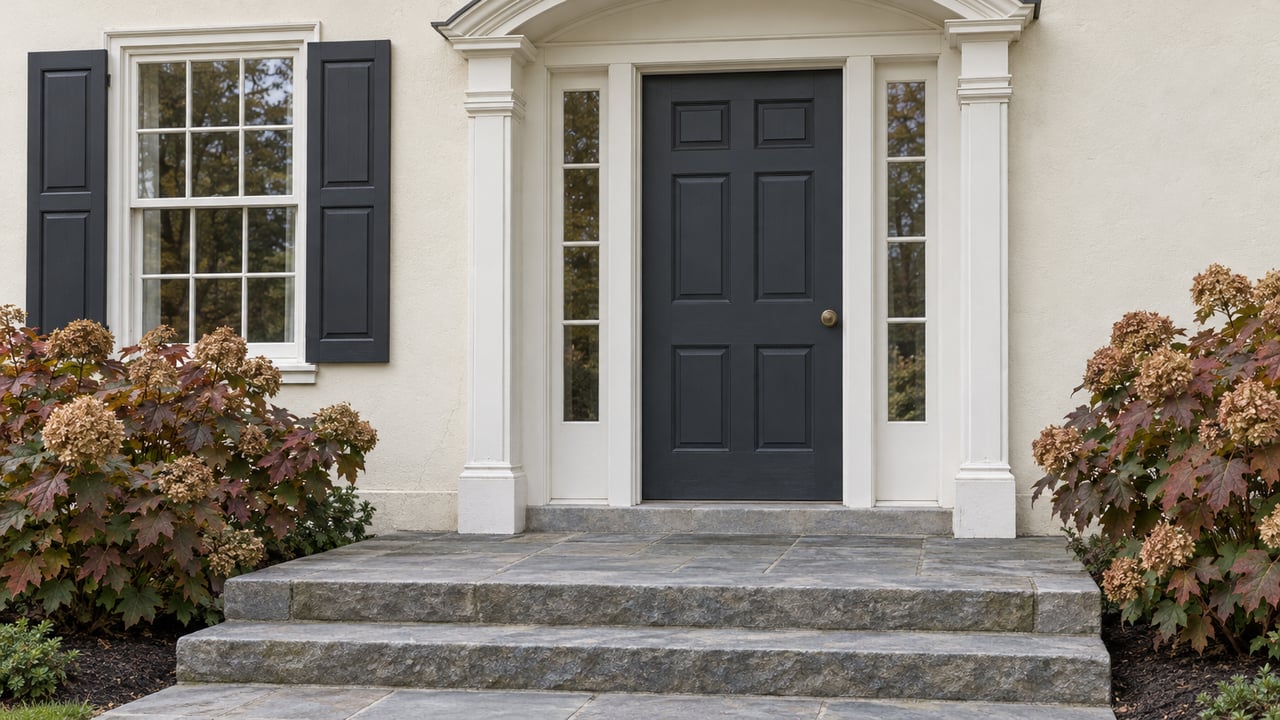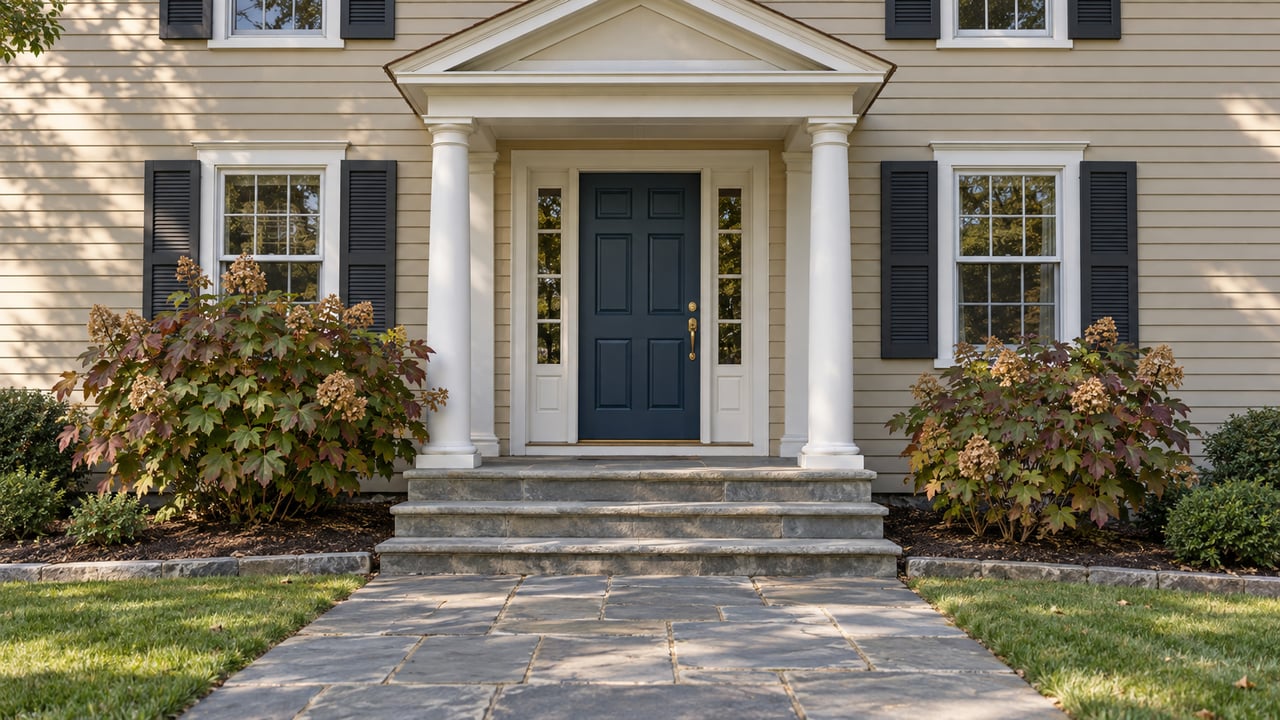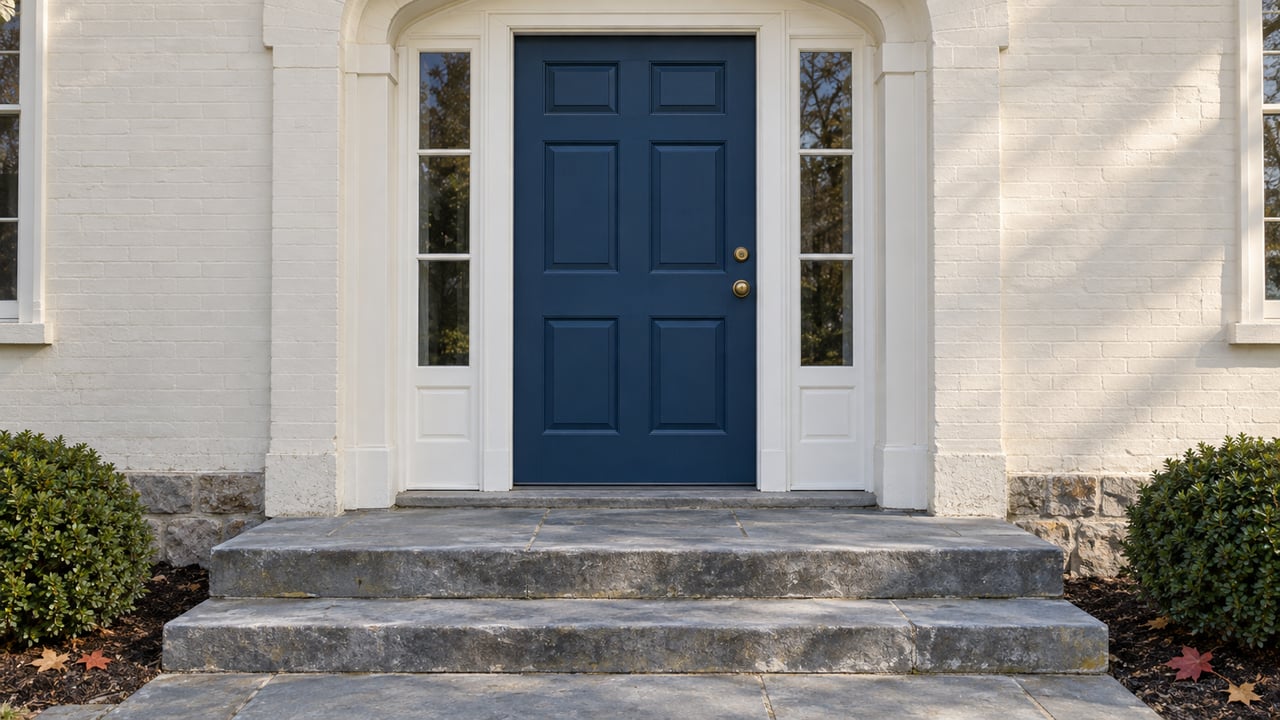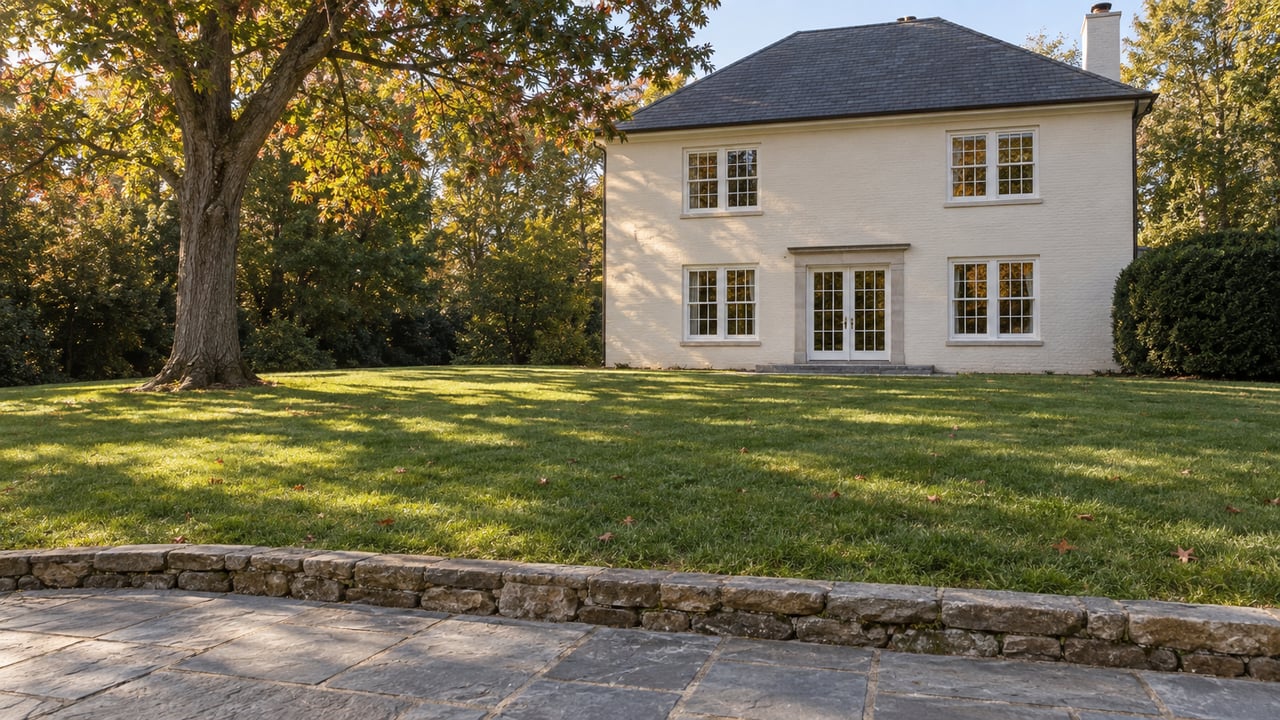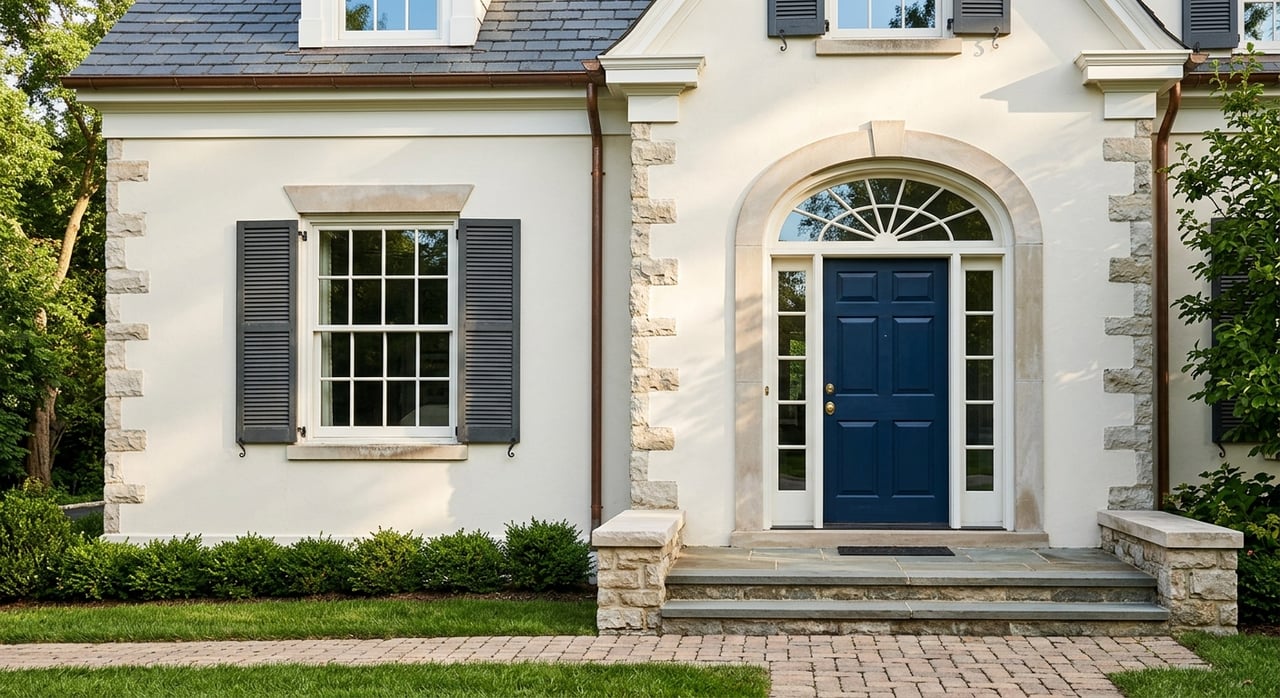
Dreaming about a Tudor, Colonial, or Victorian home with real character in Maplewood or South Orange? You are not alone, and you are also right to ask practical questions before you fall in love with original windows, detailed millwork, or a gracious front porch. Buying a historic home here can be deeply rewarding, but it works best when you understand what is truly protected, what can be updated, and what due diligence matters most. Let’s dive in.
Why Maplewood and South Orange Stand Out
Maplewood and South Orange offer some of the most architecturally distinctive homes in Essex County. In Maplewood, much of the town developed in the 1920s and 1930s, though several dozen buildings from the 18th and early 19th centuries still remain.
The Maplewood Historic Preservation Commission highlights styles that many buyers actively seek today, including Queen Anne, Colonial Revival, Tudor Revival, Foursquare, Craftsman, and eclectic homes. Surveyed areas include College Hill, Boyden/Burnett, Valley Street, Ridgewood Road, Prospect Street, Golf Island, and Maplewood Center.
South Orange is also known for period architecture, with the township describing the community as home to authentic Tudor, Colonial, and Victorian houses. In the Montrose Park Historic District, architecture from about 1870 to 1930 includes Colonial Revival, Shingle Style, Tudor Revival, Queen Anne, Italianate, Art Deco, Gothic Revival, and more.
If you love homes with visual texture and a strong sense of place, these two towns offer a lot to explore. They also reward buyers who look beyond curb appeal and learn how a property’s historic status may affect ownership.
What “Historic” Really Means
One of the biggest misconceptions is that an older home is automatically subject to strict preservation rules. In reality, the key question is not just the age of the house. The real question is whether the property is locally designated or located in a designated historic district.
That distinction matters because not all historic recognition works the same way. In Maplewood, local designation provides the strongest protection and regulation, while National Register listing alone does not prohibit owner alterations. The New Jersey Register also does not generally restrict private owner rights in the same way local designation can.
In other words, a house can be old, beautiful, and historically important without placing the same limits on future changes. Before you make assumptions about what you can or cannot do, confirm the exact status of the property.
Maplewood Rules Buyers Should Know
Maplewood currently lists 12 local designations, including houses, parks, and civic buildings. For designated properties, visible exterior changes from the street are typically reviewed.
That review can apply to:
- Additions
- Material changes
- Window replacement
- Demolition
- New construction
- Subdivision
- Variances
At the same time, not every project triggers review. Interior renovation, paint colors, emergency repairs, and in-kind exterior repairs are generally not subject to review.
For many buyers, that is reassuring. It means you may have flexibility to improve comfort and function while still respecting the home’s exterior character if the property is locally designated.
South Orange Rules Buyers Should Know
In South Orange, the Historic Preservation Commission operates under Ordinance 2024-16 and plays a formal role in surveys and review. The commission advises local boards and issues Certificates of Appropriateness for demolition, relocation, or subdivision of designated buildings and properties in designated historic districts.
Montrose Park remains a designated historic district, and properties there may be classified as key, contributing, or noncontributing. That classification can be important when you are evaluating renovation plans, future resale strategy, or the level of review that may apply.
If you are considering a South Orange property, especially in or near Montrose Park, it is wise to verify district status early. That step can save you time, money, and frustration later in the transaction.
Can You Renovate a Historic Home?
Yes, you can renovate a historic home in Maplewood or South Orange. The better question is what kind of renovation you are planning and whether local review applies.
For designated properties or homes in designated districts, exterior work and larger changes may require review. That does not mean improvement is off the table. It means you should plan early, understand the approval path, and build your scope around the property’s status.
A helpful rule of thumb comes from rehabilitation guidance used by preservation professionals. The preferred approach is to protect and maintain historic materials first, repair them when possible, and replace them only when repair is no longer practical.
This matters most with original features such as windows, siding, trim, masonry, porches, and decorative details. If you are considering an addition or a substantial exterior update, bring in preservation-aware professionals as early as possible.
Due Diligence Before You Buy
Historic-home purchases call for a stronger paper trail than many standard suburban transactions. Before making an offer, verify whether the property is a local landmark, a property within a designated district, or simply listed on the National or New Jersey Register.
In South Orange, district surveys are kept at the library and Village Hall. In Maplewood, buyers can review designation reports and survey files for locally designated properties.
It also helps to research the house itself. South Orange recommends checking Village Hall records, Planning Board records, the Tax Office, Essex County Hall of Records, Seton Hall University archives, the New Jersey Historical Society, and the State Historic Preservation Office.
Maplewood points buyers to the Robert H. Grasmere Local History Center, the Maplewood Library archive of real estate listings, and building permit records dating from 1916 to the present. These sources can help you confirm prior work, establish the home’s history, and identify questions to raise during attorney review and inspection.
Inspections Matter More in Older Homes
Buying an older home is not automatically risky. Still, age raises the need for documentation, careful inspection, and thoughtful renovation planning.
A thorough home inspection is essential, and older homes often benefit from extra expertise when they have original materials, unusual details, or signs of multiple generations of renovation. Preservation-aware architects or architectural specialists can help you understand what is original, what has been altered, and what may require a more careful approach.
This is especially useful if you plan to renovate soon after closing. The earlier you identify likely issues, the more realistic your budget and timeline will be.
Lead Paint Is a Real Planning Issue
If the home was built before 1978, treat lead paint as a serious part of your due diligence. Older homes are more likely to contain lead-based paint, and the likelihood is especially high in homes built before 1940.
Buyers also have a right to know about known lead information before signing. If work is planned after closing, remember that sanding, cutting, window replacement, and similar activities can create hazardous lead dust.
For pre-1978 properties, contractors performing renovation, repair, and painting work must be lead-safe certified when that work disturbs painted surfaces. If a historic home is on your shortlist, this should be part of your planning from day one.
Budgeting for a Historic Home
Historic homes often come with a different budgeting logic than newer houses. You may not be paying only for square footage or finishes. You may also be taking on maintenance methods, repair standards, and project sequencing that require more planning.
For example, preserving original materials can sometimes be more appropriate than full replacement. That can affect contractor selection, lead times, and pricing.
It is also important to set expectations around incentives. Buyers should not assume a federal historic rehabilitation tax credit will apply to an owner-occupied home. According to the National Park Service, the federal 20 percent rehabilitation credit is for income-producing properties, not a private residence.
New Jersey Historic Trust support exists, but its current programs are structured around matching planning and capital grants, loans, and other project-based preservation tools. That is very different from a simple, broad homeowner subsidy.
Local Resources Can Make the Process Easier
You do not have to figure out a historic home on your own. Both towns offer useful local preservation resources that can help you research a house and plan next steps.
In Maplewood, the local preservation network includes house-research guidance, neighborhood surveys, a local history center, and contractor information with a no-endorsement disclaimer. In South Orange, preservation resources point buyers toward the public library, Seton Hall digital archives and mapping resources, the New Jersey Historical Society, and the State Historic Preservation Office.
South Orange Historical & Preservation Society and Durand-Hedden also provide historical and architectural programming. These local resources can add context that is hard to get from a standard listing sheet.
What Smart Buyers Do First
If you are serious about buying a historic home in Maplewood or South Orange, start with a practical plan:
- Confirm the property’s exact historic status.
- Review local designation or district records early.
- Order a thorough inspection.
- Ask for permit history and documentation of prior work.
- Budget for preservation-sensitive repairs and lead-safe renovation if needed.
- Bring in qualified professionals before finalizing major renovation plans.
That process helps you enjoy the charm without walking into avoidable surprises. It also puts you in a stronger position to evaluate value, negotiate confidently, and make good decisions after closing.
Buying a historic home here can be an incredible fit if you appreciate craftsmanship, period detail, and homes with a story to tell. The key is to balance emotion with diligence so you know exactly what you are buying and what stewardship will look like over time. If you want guidance on evaluating architecturally notable homes in Maplewood or South Orange, Judith Daniels can help you navigate the process with clarity and care.
FAQs
What does historic designation mean for a Maplewood home?
- A Maplewood home may be old without being locally designated. For locally designated properties, visible exterior changes from the street and certain larger projects may require review.
What does historic district status mean in South Orange?
- In South Orange, homes in designated historic districts such as Montrose Park may be subject to local review for specific actions such as demolition, relocation, or subdivision, depending on the property and the proposed work.
Can you update kitchens and bathrooms in a historic home?
- Yes. Interior renovations are generally more flexible than exterior changes, though you should still confirm the property’s designation status and any local requirements before planning major work.
Does National Register listing stop you from changing a house?
- No. In Maplewood, National Register listing alone does not prohibit owner alterations. Local designation is usually the stronger control for private owners.
Do historic homes qualify for a federal tax credit if you live in them?
- Usually no. The federal 20 percent rehabilitation credit is for income-producing properties, not an owner-occupied private residence.
Is buying an older home in Maplewood or South Orange automatically risky?
- No. Older homes simply call for stronger due diligence, including records research, a thorough inspection, lead-paint awareness, and careful planning if renovation is likely.
Should buyers worry about lead paint in historic homes?
- If the home was built before 1978, lead paint should be part of your due diligence and renovation planning. The risk is higher in older homes, especially those built before 1940.
Where can buyers research a historic home in Maplewood or South Orange?
- Buyers can review local designation files, district surveys, permit records, library archives, Village Hall or township records, and other local history resources identified by each town.