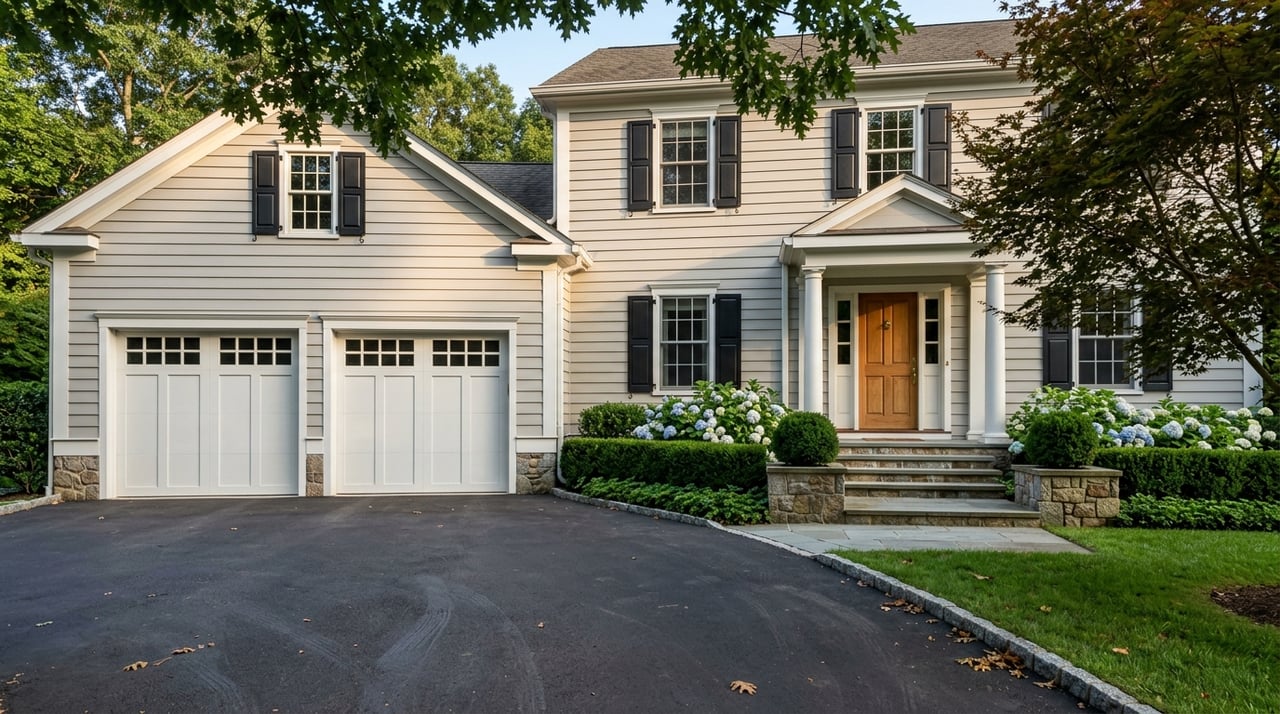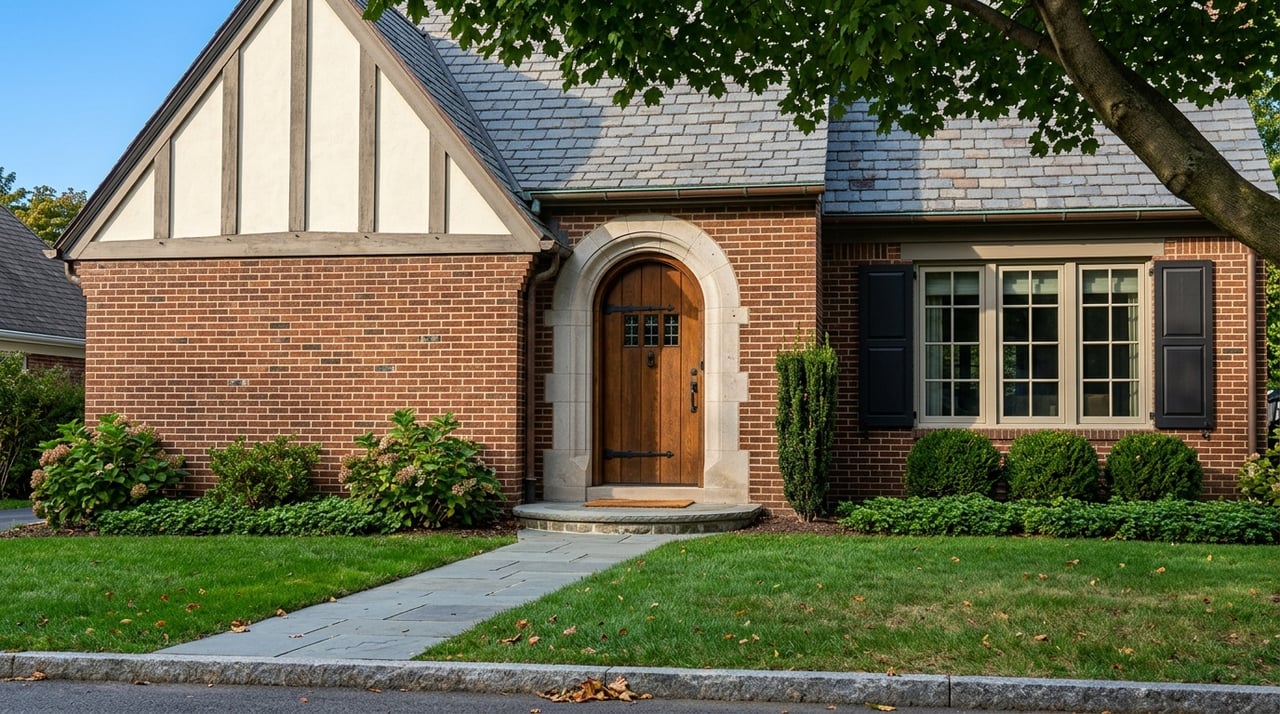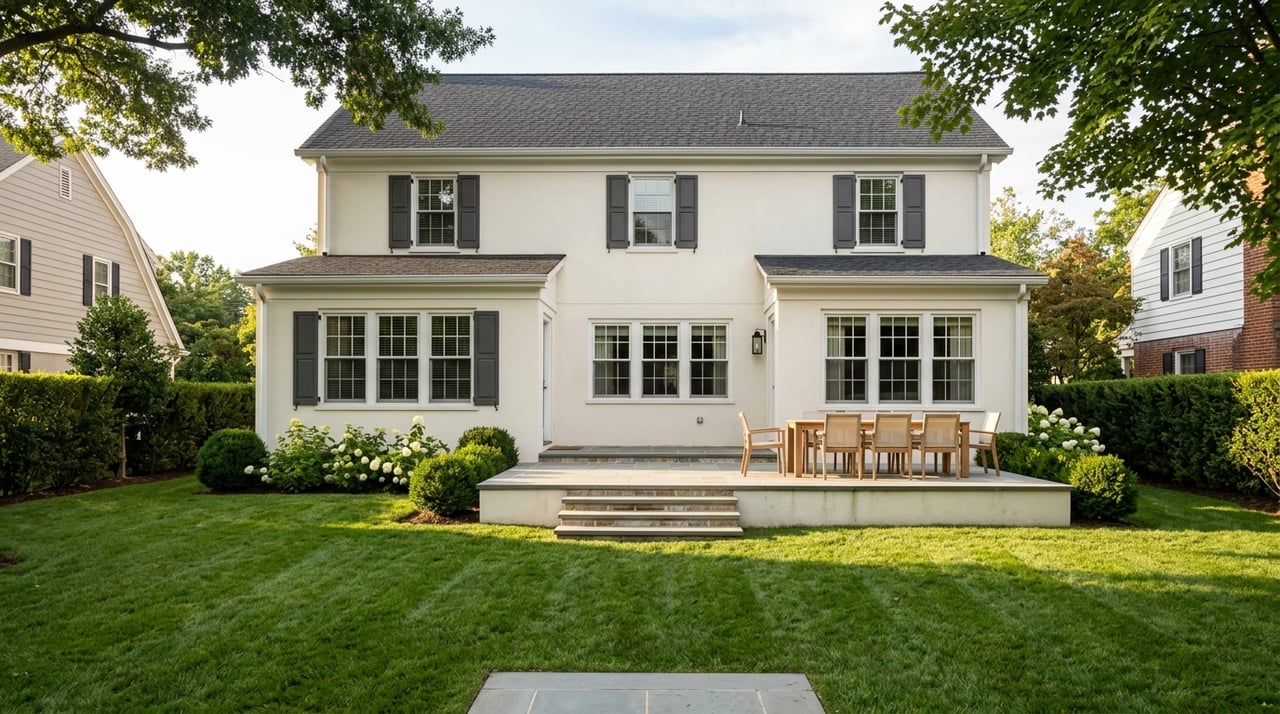
Wondering why one Millburn or Short Hills property feels tucked away while another with similar acreage feels wide open? That difference often comes down to more than the lot size listed online. If you are buying, selling, or comparing homes in Millburn-Short Hills, understanding how zoning, setbacks, lot shape, and tree cover affect privacy can help you make a smarter decision. Let’s dive in.
Why Lot Size Feels Different Here
In Millburn, privacy is rarely about acreage alone. The township’s master plan describes the community as a predominantly single-family, tree-lined suburb made up of established neighborhoods, with land-use goals focused on protecting residential character at an appropriate scale and density.
That matters because much of Millburn’s residential fabric is already built out. In practical terms, the feeling of space often comes from lot width, lot depth, setbacks, mature trees, and screening rules rather than from a big lot number by itself.
The township also places value on natural features. Its planning and zoning framework emphasizes preserving trees, brooks, swamps, hilltops, and views where possible, and the local tree ordinance aims for no net loss of tree canopy over time.
Zoning Shapes Privacy
If you want to understand how a lot will actually live, start with the zoning district. Two properties with the same square footage can feel very different depending on minimum lot size, front setback rules, and lot coverage limits.
Here is a simplified look at how key Millburn residential zones compare:
| District | Minimum lot area | Max lot coverage | What it often feels like |
|---|---|---|---|
| R-3 | 29,000 sf | 35% | More separation between homes and a larger-lot feel |
| R-4 | 20,000 sf | 35% | Generous lots, though usually less estate-like than R-3 |
| R-5 | 14,500 sf | 35% | A middle ground where depth and trees matter a lot |
| R-6 | 6,000 sf | 45% | Smaller lots where privacy often depends on landscaping |
| R-7 one-family | 4,000 sf | 45% | A more compact pattern where openness can be more noticeable |
Lot coverage is especially important. In Millburn, that measure includes the house, paved and impervious surfaces, accessory uses, and other structures. So a lot may sound large on paper, but if a driveway, patio, pool, and outbuildings take up a big share of the site, the usable private outdoor space may feel smaller.
Lot Width and Depth Matter More Than You Think
Acreage is only part of the story. Lot width in Millburn is measured at the required building setback from the street, and lot depth is measured from front to rear.
That means two lots with the same total square footage can function very differently. A wide, deep lot may create better side-yard separation and a more usable rear yard, while a shallow or irregular lot may feel tighter even if the acreage looks similar in a listing.
This is one reason buyers often benefit from reading a site plan instead of relying on the MLS lot number alone. The shape of the land can affect outdoor dining space, play area, entertaining flow, and the sense of seclusion from neighboring homes.
Corner Lots Can Feel More Exposed
Corner properties deserve extra attention when privacy is important to you. In Millburn, corner lots must meet front-yard setback rules from all streets.
As a result, a corner lot can feel more open and visible than a similarly sized interior lot. Even when the square footage is the same, the way the home sits on the site may leave less private side-yard space or more street-facing exposure.
Through lots can also have added rules that change how the yard functions. If privacy is high on your list, street position should be part of your evaluation from the start.
What Quarter-Acre and Half-Acre Lots Usually Mean
Buyers often use shorthand like quarter-acre or half-acre, but those labels can be misleading without context.
A quarter-acre lot is about 10,890 square feet. In Millburn, that is below the minimum for R-5 but above the minimums for R-6 and R-7. Depending on the zone, house placement, and tree cover, a quarter-acre lot can feel quite private or surprisingly open.
A half-acre lot is about 21,780 square feet. That is above the minimum for R-4 and R-5, but below the R-3 minimum. Many half-acre lots offer enough room for a usable backyard, outdoor dining, and recreation, but privacy still depends on depth, corner status, and canopy.
A one-acre lot is 43,560 square feet, which is above the R-3 minimum. These properties often read as more estate-like, with more room for separation, grounds, landscaping, and outdoor entertaining.
Still, there is no guarantee built into the acreage alone. One quarter-acre lot with strong rear-yard depth and mature trees may feel more secluded than a larger but more exposed property.
Trees and Screening Often Do the Heavy Lifting
In Millburn-Short Hills, tree canopy plays a major role in how private a property feels. A home with mature trees and natural screening can feel more buffered than an open lot with more raw square footage.
The township’s current design standards support screening, buffering, and native plantings. For new or substantially revised site plans, landscape plans must inventory existing trees and vegetation, which shows how seriously Millburn treats landscape structure.
Lighting also affects privacy. Local rules require warm or neutral white, shielded fixtures designed to avoid glare and light trespass across property boundaries. That helps preserve a more comfortable feel from one property to the next.
Fences Have Limits
If you are thinking, “I can always add a fence,” it is important to know the local framework first. On one- and two-family homes, side and rear fences and walls can be up to six feet high, but front-yard fences are generally prohibited except for narrow exceptions.
Front-yard walls and berms are also limited to two feet. In simple terms, Millburn tends to reward privacy through planting, lot layout, and rear-yard design more than through tall front-yard barriers.
That is why a property’s existing landscape can be such an advantage. Mature screening and thoughtful yard placement may be more valuable than you first realize.
Historic District Review Can Affect Changes
Some parts of Millburn fall within designated historic districts. In those areas, the Historic Preservation Commission may review work that affects structures or other features.
For buyers, that means some privacy-related projects, such as additions, grading changes, or certain exterior improvements, may involve more review than expected. If you are purchasing with plans to change the outdoor layout, it is wise to confirm what local review may apply before assuming the project will be simple.
A Practical Way to Compare Listings
When you tour homes in Millburn or Short Hills, use this framework to compare lots more accurately:
- Start with the zoning district. The same acreage can live very differently from one zone to another.
- Check whether the lot is interior, corner, or through. Street exposure can change the privacy feel in a big way.
- Look at width and depth. A well-shaped lot often matters more than the raw number.
- Review lot coverage. Driveways, patios, pools, and accessory structures all affect usable yard space.
- Pay attention to trees and screening. Mature canopy often adds more privacy than buyers expect.
- Ask about historic district status if you plan changes. Review requirements can affect what is straightforward.
This approach helps you evaluate how a home will function in everyday life, not just how it looks in a search result.
What Sellers Should Know
If you are selling in Millburn-Short Hills, lot privacy is part of your property story. Buyers here tend to respond to how a lot lives, not just to the acreage figure.
That means details like rear-yard depth, mature trees, interior-lot positioning, outdoor entertaining areas, and thoughtful screening can help shape buyer perception. When those features are presented clearly, they can strengthen how your home is understood in the market.
For premium homes especially, privacy is often tied to lifestyle. A property that offers quiet outdoor space, natural buffering, and a strong sense of separation can stand out, even when another listing has a similar lot size on paper.
The Bottom Line on Lot Size and Privacy
In Millburn-Short Hills, the best lot is not always the biggest lot. The best lot is the one where zoning, setbacks, width, depth, tree cover, and street position match how you want to live.
If you are buying, that means looking past acreage and studying the site itself. If you are selling, it means making sure the market understands the real value of your lot’s layout, privacy, and landscape character.
If you are weighing a move in Millburn or Short Hills and want guidance grounded in local nuance, Judith Daniels can help you evaluate what makes a property truly work, from lot layout to market positioning.
FAQs
How does zoning affect privacy in Millburn-Short Hills?
- Zoning affects minimum lot size, setbacks, and lot coverage, which all shape how much separation you may feel between homes.
Is a larger lot always more private in Millburn?
- No. A larger lot can still feel exposed if it is shallow, on a corner, or lacks mature trees and screening.
Why do corner lots feel different in Short Hills and Millburn?
- Corner lots must meet front-yard setbacks from all streets, which can create more visibility and reduce the sense of enclosure.
What should buyers check besides acreage in Millburn-Short Hills?
- Buyers should look at zoning district, lot width, lot depth, lot coverage, street position, tree canopy, and whether historic district review may apply.
Can fences create full privacy on Millburn residential lots?
- Side and rear fences can help, but front-yard fences are generally prohibited, so privacy often depends more on planting and lot layout.
Why are mature trees important for privacy in Millburn-Short Hills?
- Mature trees can create natural screening and buffering, which often makes a property feel more secluded than an open lot of similar size.