If you are getting ready to sell in Millburn or Short Hills, it is easy to wonder how much you should fix, refresh, or leave alone. In a premium market, the goal is not to outspend the neighborhood. It is to present your home so it competes well with the right comparable listings and feels move-in ready to buyers. This guide will help you plan smart pre-sale updates, avoid common permitting surprises, and focus your budget where it can matter most. Let’s dive in.
Start With the Local Market
Millburn and Short Hills continue to perform like strong seller markets. As of May 2026, Realtor.com shows Millburn with a median listing price of $2.495 million, a median 22 days on market, and a 106% sale-to-list ratio. Short Hills shows a median listing price of $2.8 million, a median 22 days on market, and a 105% sale-to-list ratio.
That kind of market strength can tempt sellers to do too much. In reality, your best strategy is usually to match your home to its direct comp set, not to chase the finish level of the most expensive nearby properties. In Millburn-Short Hills, thoughtful updates and polished presentation often make more sense than a major reinvention.
Focus on Condition First
Before you think about design upgrades, deal with maintenance. Buyers notice deferred upkeep quickly, especially in a high-value market where expectations are elevated. Small visible issues can make a home feel less cared for, even when the structure and layout are strong.
A solid first pass includes looking at paint wear, scuffed trim, aging flooring, outdated light fixtures, and any repair items that will stand out in photos or showings. These are often the updates that create a cleaner first impression without pushing you into an expensive remodel.
Know What Usually Needs a Permit
In New Jersey, ordinary maintenance can often be done without filing a permit application or notifying the construction official. The current Uniform Construction Code lists examples such as painting, wallpapering, flooring replacement, like-kind window or door replacement in the same opening, nonstructural cabinets and built-ins, trim, gutters, and like-kind siding.
Millburn is more specific about work that goes beyond ordinary maintenance. According to the township FAQ, permits are required for items such as bathroom and kitchen renovations, water heaters, sheds, gazebos, new electrical wiring, and new plumbing installations. The township also states that zoning approvals are required for exterior building and site improvements.
If your property is in the Historic District, Millburn says Historic Preservation Commission approval may also be required. For permit work, the township generally requires the use of a contractor licensed in New Jersey unless you complete the work yourself and accept the liability.
Why Permit Planning Matters Before Listing
Permit issues can slow a sale at exactly the wrong time. Millburn advises homeowners to check for open permits well in advance because unresolved permits can delay closing.
The township also notes that a certificate of occupancy is not required for a sale, but a smoke detector certification is required. That means your pre-list plan should include administrative prep, not just cosmetic work. A smooth sale often starts with paperwork and timing.
Best Low-Friction Updates
For many sellers, the safest updates are the ones that fit cleanly within ordinary maintenance. These improvements can usually freshen the home without adding unnecessary approval steps or widening the project timeline.
Here are some of the most practical pre-sale updates to consider:
- Repainting walls in neutral tones
- Touching up trim and moldings
- Replacing worn flooring
- Swapping dated light fixtures
- Using like-kind replacements for worn doors or windows in the same opening
- Refreshing gutters or like-kind siding where needed
- Correcting visible wear before photography
These kinds of changes are often enough to make a home feel cleaner, brighter, and more current. In a fast-moving market, that can be more valuable than a highly customized redesign.
Choose Updates With Better Resale Potential
Not every project offers the same return. Zonda’s 2025 Cost vs. Value findings, as summarized by JLC, show that exterior replacement projects generally deliver better resale ROI than discretionary interior remodels.
Among the top 10 ROI projects in that report, eight were exterior replacements. Garage door replacement, insulated steel entry door replacement, and manufactured stone veneer ranked as the top three.
The same report also notes that more complex kitchen and bath remodels often produce lower resale ROI because highly specific finishes can appeal to a narrower group of buyers. That does not mean kitchens and baths do not matter. It means you should be careful about over-personalizing them right before you sell.
Refresh, Don’t Overbuild
For most Millburn-Short Hills sellers, a refresh-first strategy is the smarter path. That usually means improving presentation, correcting wear, and making a few strategic updates that broaden buyer appeal.
A minor kitchen refresh can be a good example. JLC identifies a minor kitchen remodel as a notable interior exception because it can create a clean, functional space without the cost or design risk of a full gut renovation.
Instead of replacing everything, you may get better traction from simpler changes such as:
- Painting cabinetry if appropriate
- Updating hardware
- Replacing worn countertops only if condition demands it
- Improving lighting
- Repairing or replacing tired flooring
- Refreshing backsplashes or fixtures in a modest, neutral way
The same thinking often applies to bathrooms. Clean finishes, working fixtures, bright lighting, and a well-maintained look can go a long way.
Don’t Overlook Exterior Presentation
Buyers start forming opinions before they walk through the front door. That is one reason exterior projects often perform so well from an ROI standpoint.
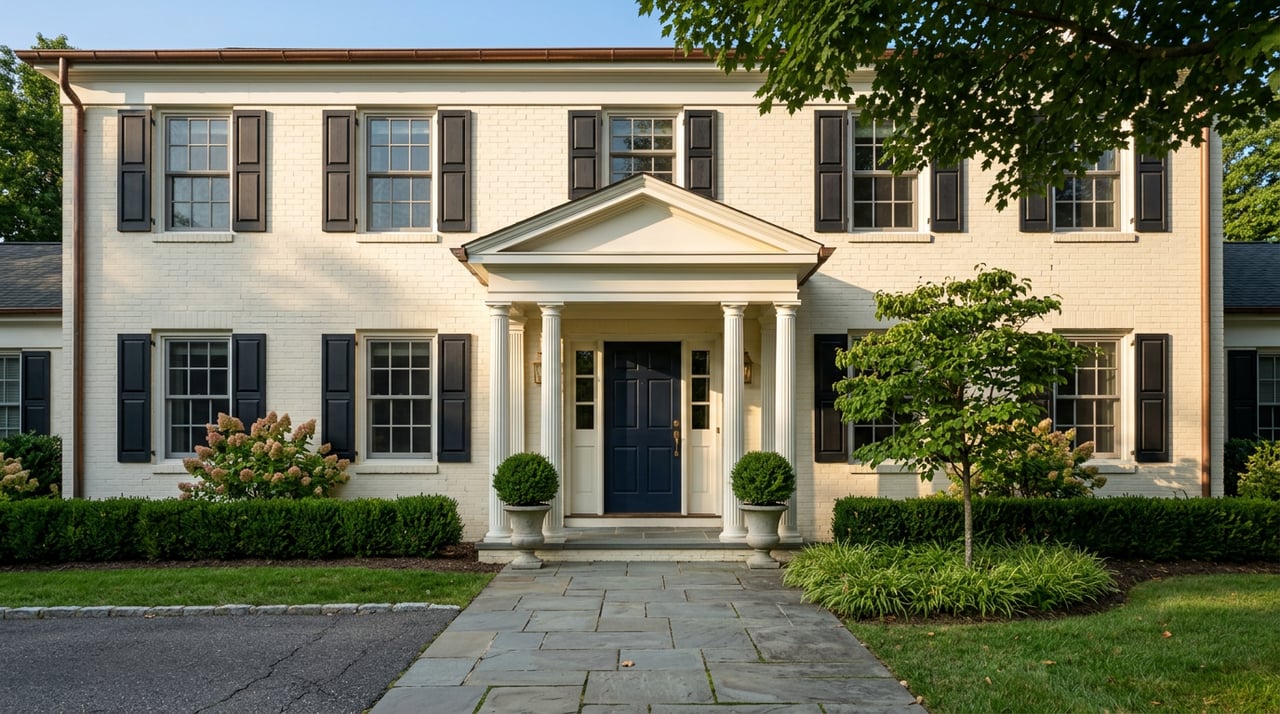
If your budget is limited, focus on the parts of the exterior buyers notice first. The front door, garage door, walkway approach, trim condition, and overall neatness can shape the entire showing experience.
In a market like Millburn-Short Hills, exterior polish helps support the premium pricing conversation. It tells buyers the home has been cared for and helps the listing photography feel more compelling from the start.
Use Staging to Support the Updates
Once repairs and refreshes are complete, staging can help buyers connect with the space. The National Association of Realtors reported in its 2025 Profile of Home Staging that 83% of buyers’ agents said staging makes it easier for buyers to visualize a property as a future home.
NAR also reported that 29% of sellers’ agents saw a 1% to 10% increase in the dollar value offered, while 49% saw reduced time on market. In other words, staging is not just about looks. It can support both speed and pricing.
The most important rooms to stage were the living room, primary bedroom, and kitchen. Even when full staging is not used, decluttering and correcting obvious property faults remain important parts of final prep.
Think of Staging as a Bounded Cost
Many sellers assume staging has to mean a full design overhaul. The data suggests otherwise. NAR reported a median spend of $1,500 when sellers used a staging service, compared with $500 when the agent personally staged the home.
That can help you frame staging as a controlled, strategic expense. In many cases, the goal is simply to create clarity, scale, and flow so buyers can picture how the home lives.
A Practical Pre-List Timeline
The most effective pre-sale update plans usually follow a clear sequence. Doing the right work in the right order can help you avoid wasted money, duplicated effort, and launch delays.
A practical sequence for Millburn-Short Hills looks like this:
- Review neighborhood comps with your agent
- Decide which updates will improve competitiveness
- Confirm whether any planned work requires permits or approvals
- Line up licensed contractors for permit work if needed
- Complete repairs and cosmetic refreshes
- Declutter and stage key rooms
- Photograph the home and launch to market
This process keeps decision-making grounded in your likely buyer pool and timing. It also reduces the chance of discovering permit or condition issues too late.
Where Seller Guidance Matters Most
Pre-sale planning is not only about choosing finishes. It is about deciding what not to do. In a segmented luxury market, overspending on the wrong project can make it harder to recapture your investment.
That is where local guidance matters. A well-managed listing plan should connect your home’s current condition, likely buyer expectations, neighborhood comps, and launch timing into one strategy.
For sellers in Millburn and Short Hills, the best outcomes often come from careful preparation, disciplined project management, and a presentation plan that highlights the home’s strengths without overbuilding for the block. If you want help creating that kind of roadmap, Judith Daniels offers high-touch pre-sale project management, staging coordination, and local market guidance designed to help you prepare with confidence.
FAQs
What pre-sale updates usually make sense in Millburn-Short Hills?
- In Millburn-Short Hills, sellers often benefit most from maintenance items, neutral paint, flooring refreshes, updated lighting, exterior polish, and modest kitchen or bath improvements instead of major custom renovations.
What home projects in Millburn may require permits before listing?
- Millburn states that work beyond ordinary maintenance may require permits, including bathroom and kitchen renovations, water heaters, sheds, gazebos, new electrical wiring, and new plumbing installations.
What home updates count as ordinary maintenance in New Jersey?
- New Jersey’s Uniform Construction Code says ordinary maintenance can include items such as painting, wallpapering, flooring replacement, like-kind window or door replacement in the same opening, nonstructural cabinets and built-ins, trim, gutters, and like-kind siding.
What should sellers check before listing a home in Millburn?
- Sellers should check for open permits early, confirm whether planned work needs township approval, and make sure they complete the required smoke detector certification before closing.
Does staging help homes sell in Millburn-Short Hills?
- Staging can help buyers visualize the home more easily, and NAR’s 2025 staging report found that many agents saw either a higher dollar value offered, less time on market, or both.
Which rooms matter most when staging a home for sale?
- NAR’s 2025 staging findings identified the living room, primary bedroom, and kitchen as the most important spaces to stage.